It’s that time of year everyone - the Nonprofit Technology Network has opened up voting for proposed sessions at the 2014 Nonprofit Technology Conference. We at
In Salesforce, the Case Object is often used to track a constituent issue or problem that needs resolution. Just like anything else in Salesforce, it can
Choosing the Right Email Provider for Your Salesforce
We reviewed the common email service providers who offer Salesforce integration including MyEmma, VerticalReponse, iContact, ExactTarget, and MailChimp.
Apsona for Salesforce is another exceptionally useful ETL (Export Transform Load) app, with some unique advantages that make it an essential tool to keep in your
One of my esteemed clients recently asked me whether they could track attendance in their Saturday classes over a semester or a school year. They wanted
Winter ’13 has more surprises for us in the nonprofit community, the Sales Cloud are the ones aimed specifically at the development directors who help keep
Salesforce.com generously donates their top grade—Enterprise—version of the application to nonprofits. Nonprofits get ten licenses and for many organizations, that is more than enough to make
Written by Cloud for Good Team Nonprofit organizations and higher education institutions continue to choose Salesforce to manage their programs, admission, fundraising, marketing and everything in
Written by Cloud for Good Team NOTE: This blog was originally posted on Forbes. Read it here. Bitcoin and hundreds of other blockchain-based cryptocurrencies are on the
What Does Artificial Intelligence Mean For Nonprofit Organizations?
Written by Cloud for Good Team NOTE: This blog was originally posted on Forbes. Read it here. Artificial Intelligence is an area of computer science that
Change Management: Understanding the Type and Drivers of Change
Change is inevitable and one of the main forces behind improvement, strength and progress. For nonprofits, change, especially in technology, can be a game-changer. I’m a
5 Pitfalls To Avoid When You Integrate Salesforce and Accounting Apps
One of the most common integration requests from Salesforce users is syncing Salesforce with accounting apps likes Intacct, QuickBooks, and Xero. There is no shortage of
Nonprofits are maximizing their communication strategies with the Salesforce Marketing Cloud. Learn about the top 10 features that make it a great tool for any organization.
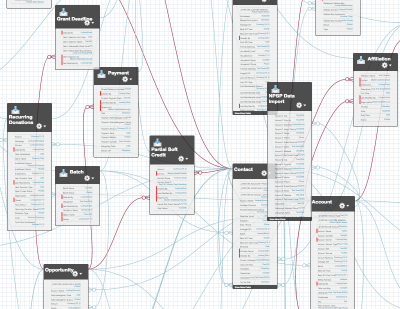
Written by Cloud for Good Team First, let’s break down that scary little acronym: ERD = Entity Relationship Diagram. Still sound too techy? How about this:
Much like their for-profit counterparts, Nonprofits and NGO’s also reach across international borders in order to run their programs, connect with their constituents, and raise resources.
When you hire a consultant to help you with your Salesforce implementation, you’re hiring them because you have a problem you need help with whether it